Get Directions to Our Clinic (Google Maps)
Gestational hypertension, also known as pregnancy-induced hypertension (PIH), is a silent threat to pregnant women and their unborn babies. If left untreated, it can cause severe complications for both mother and child. The positive part is that with proper medical care and lifestyle modifications, gestational hypertension can be effectively managed.
What is Gestational Hypertension?
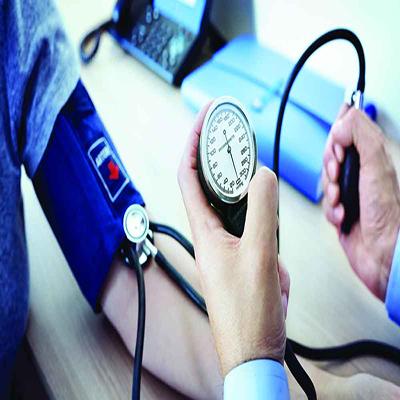
Gestational hypertension occurs when blood pressure rises after the 20th week of pregnancy, during labor, delivery, or the postpartum period in women who previously had normal blood pressure. It affects nearly 5–10% of all pregnancies each year, making it one of the most common pregnancy-related complications.
Risk Factors of Gestational Hypertension (PIH)
The exact cause of gestational hypertension is still unknown, but several risk factors may increase the chance of developing it:
- Obesity
- Diabetes
- Family history of hypertension
- Multiple pregnancies (twins, triplets, etc.)
- Smoking during pregnancy
- Advanced maternal age (over 35)
- Pre-existing high blood pressure
- Early onset preeclampsia or eclampsia
- High stress levels (under research)
How to Reduce the Risk of PIH
Fortunately, there are practical steps that can help lower the chances of developing gestational hypertension:
- Maintain a healthy weight throughout pregnancy
- Follow a balanced and nutritious diet
- Engage in mild to moderate exercise (under doctor supervision)
- Reduce stress through relaxation techniques
- Get adequate sleep daily
- Avoid exposure to toxins, especially cigarette smoke
- Attend routine prenatal checkups for monitoring
When to Seek Medical Attention?
If you notice symptoms such as:
- Sudden weight gain
- Swelling around the face, hands, or feet
- Severe or frequent headaches
- Vision problems or disturbances
These symptoms could indicate more serious conditions like preeclampsia, which requires immediate medical attention. Book an appointment with an experienced gynecologist in Indore for timely diagnosis and treatment here:
Consult Dr. Poonam Raikwar
Conclusion
Early diagnosis, timely detection, and proper management of gestational hypertension can help ensure a safe delivery for both mother and baby. Staying aware and seeking care at the right time can significantly improve outcomes for pregnant women.
To visit our clinic for consultation or follow-up care:
Get Directions on Google Maps